Author: Geoff W.

Geoff runs Genuine Cents, a straight talking coin education project built from hands-on experience and hundreds of hours examining coins. He is an ANA member and writes practical guides for new and returning collectors who want clarity instead of hype. If you want to reach him, message him on Instagram at @GenuineCents.

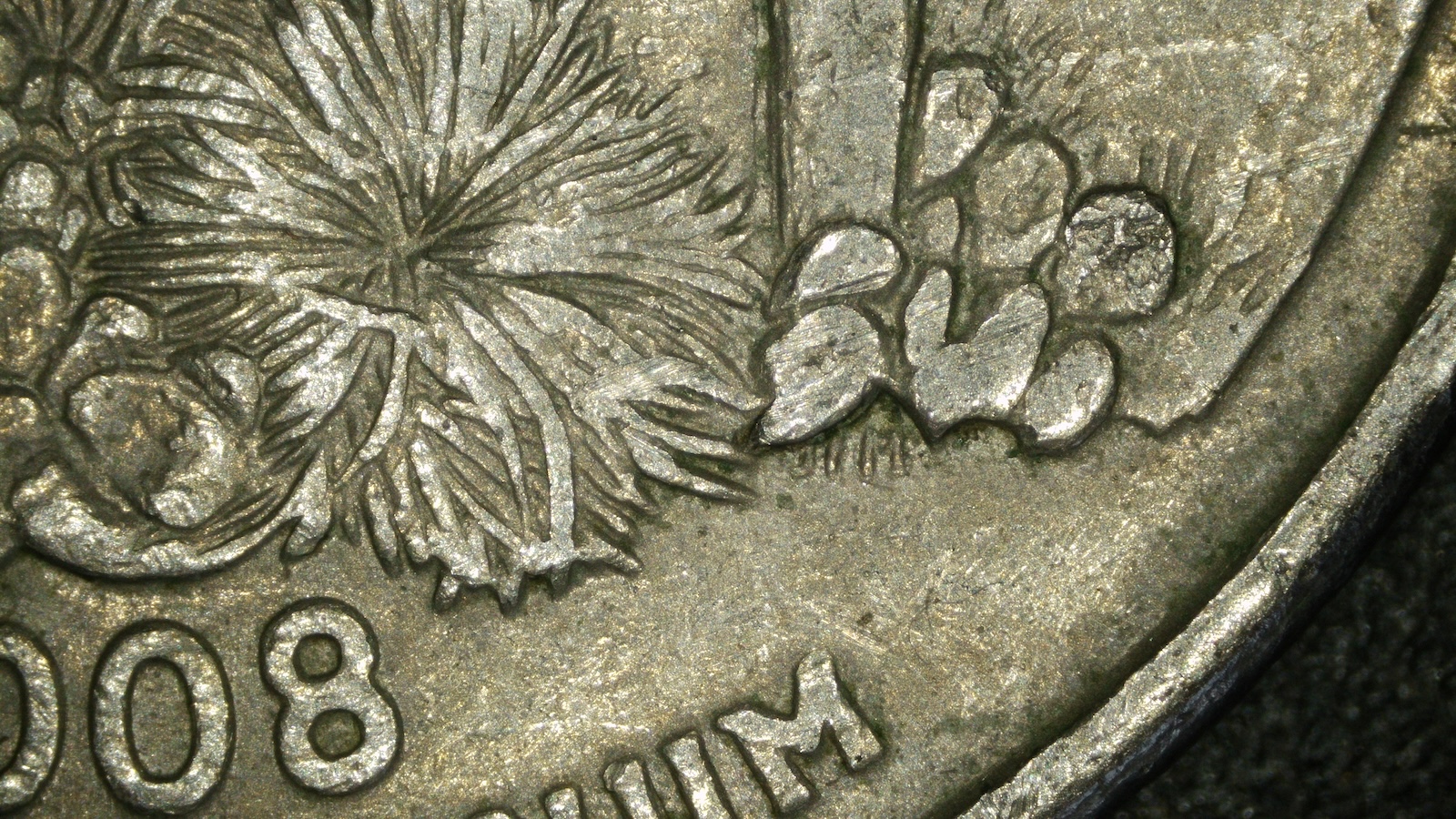
Close-up of the Medal of Honor on a 2024-P Walker quarter showing rotational doubling used to confirm WDDR-001.
| |

Roll Notes: 2024-P Quarter Dr. Mary Edwards Walker WDDO-001

This 2024-P Dr. Mary Edwards Walker quarter turned out to be a confirmed WDDR-001 doubled die reverse, complete with all published die markers. The most obvious feature is the extra raised hair detail behind Walker’s right shoulder, which does not appear on normal strikes and is easy to verify against official Mint images.

In this Roll Notes entry, I document the doubling, walk through the diagnostic markers, and show how this variety can be confidently attributed using both photographs and in-hand inspection.

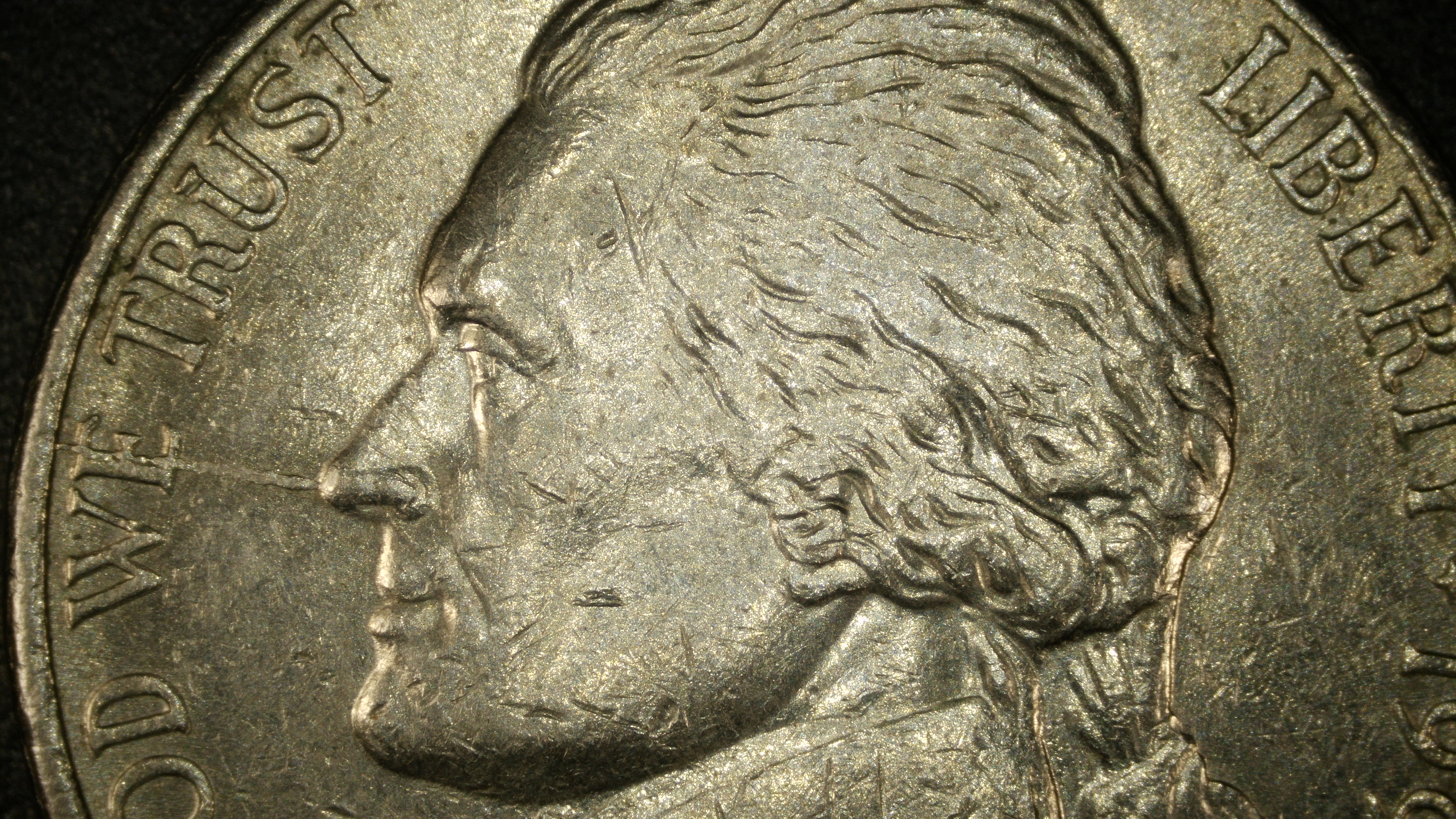
Spiked head die crack crossing LIBERTY on 1996-P Jefferson nickel
| |

Roll Notes: 1996-P Jefferson Nickel – Spiked Head (SKH-5c-1996-p-04) Die Crack

A 1996-P Jefferson nickel showing a documented Spiked Head (SKH) die crack variety. The crack begins at Jefferson’s nostril and runs diagonally across the face, passing above the vertical bar of the E in WE. This example matches the known die markers for the SKH listing and was found during roll hunting.

Reverse of a 2000 Lincoln cent showing the Wide AM variety. The A in STATES sits centered, and the strong FG initials are clear on the right side of the memorial.
| | |

Wide AM vs. Close AM: How To Spot the 1998–2000 Lincoln Cent Reverse Variety

The Wide AM and Close AM reverses on late-1990s Lincoln cents are one of the quickest wins in roll hunting. Most people know the 1999 Wide AM is the valuable one, but the real story is bigger. Two different reverse designs were supposed to stay in their own lanes. They didn’t. Old dies slipped back…

1975 Lincoln cent with a noticeable off center strike, leaving part of the design shifted toward the rim.
| | | |

How Off Center Does a Coin Need to Be to Have Value?

Off center coins are some of the easiest dramatic mint errors to spot, but not all of them are valuable. This guide breaks down how they happen, how to judge the percentage of the strike, and what actually matters when figuring out if one is worth keeping.

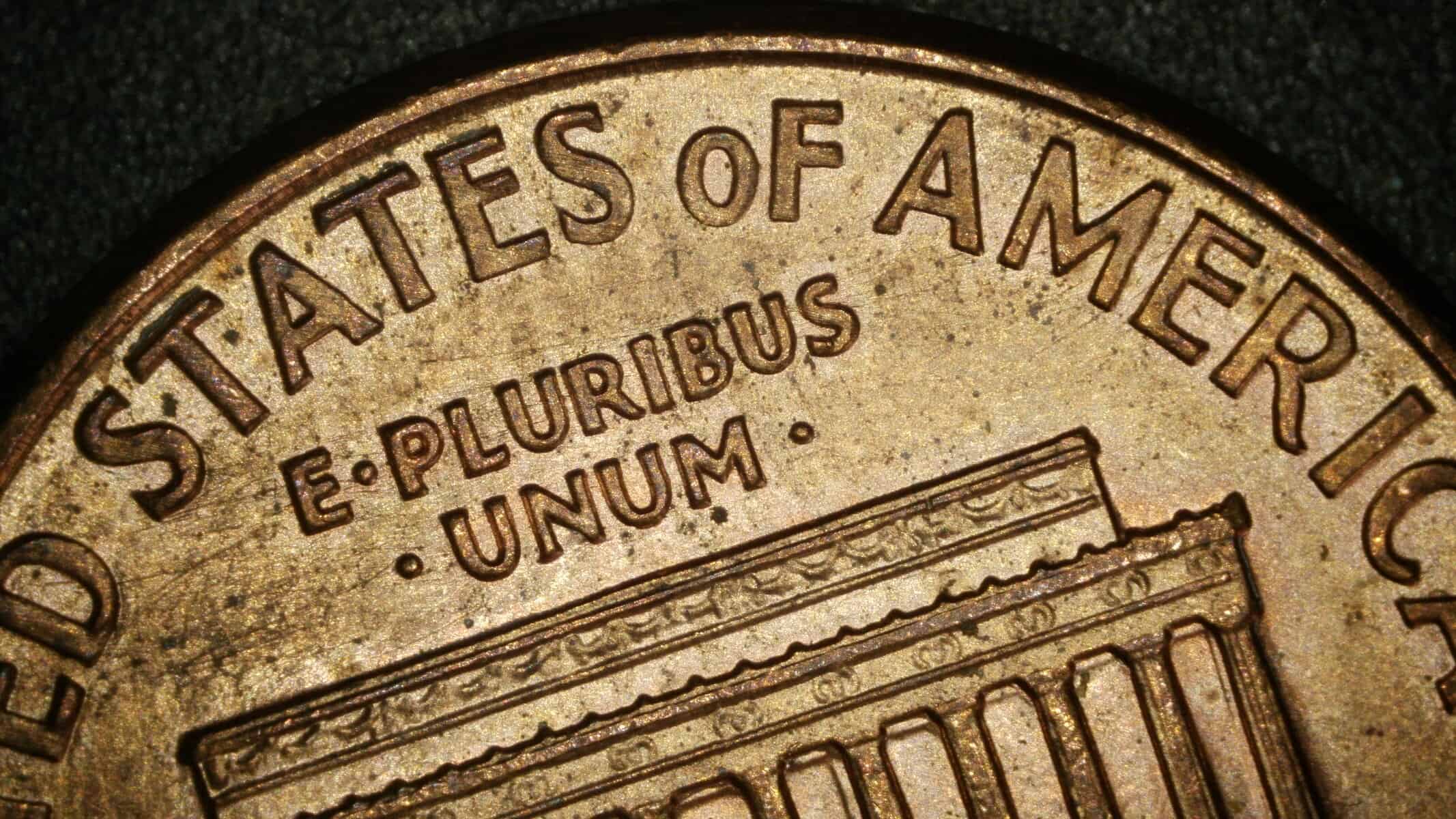
Close-up photo of a 1972 S Lincoln Memorial cent reverse showing a grease filled die. The words E PLURIBUS UNUM and parts of the upper Memorial detail appear faint and incomplete, with a soft, washed-out look due to debris blocking the strike.
| |

Grease Filled Dies: Why Your Coin Looks Half-Faded

When a coin looks weak or washed out in random places, most people think it’s worn down. Sometimes they’re right. Sometimes they’re not even close. This is a grease filled die. It happens when mint machinery gets clogged with thick gunk made of metal shavings, old oil, and debris. That paste fills the recessed parts…