Author: Geoff W.

Geoff runs Genuine Cents, a straight talking coin education project built from hands-on experience and hundreds of hours examining coins. He is an ANA member and writes practical guides for new and returning collectors who want clarity instead of hype. If you want to reach him, message him on Instagram at @GenuineCents.

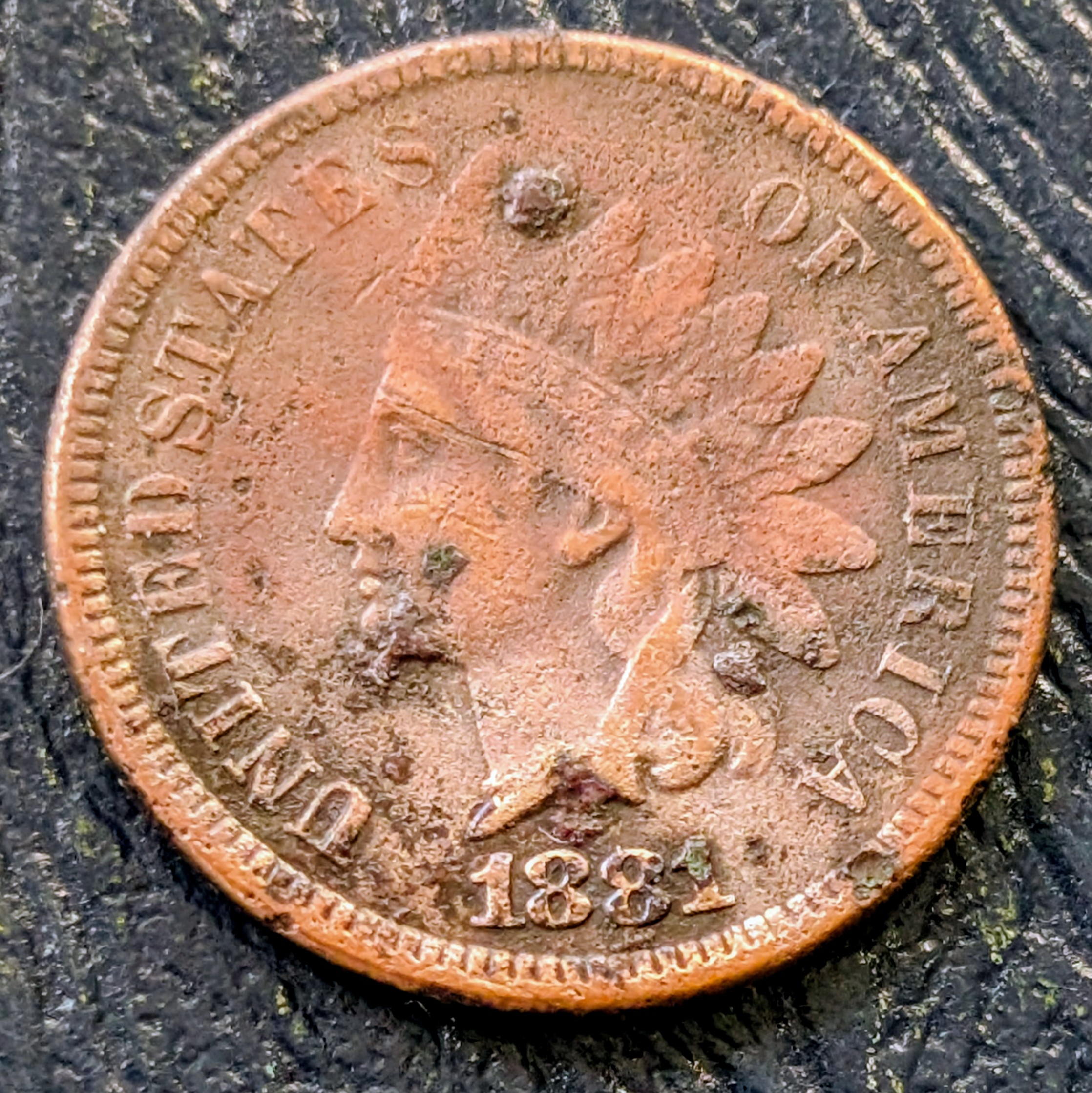
1881 Indian Head Cent with heavy environmental damage showing green and brown corrosion, missing surface metal, rough texture, and uneven crust across the portrait and fields.
| |

A Close Look at Environmental Damage and Copper Breakdown

Environmental damage happens when copper reacts with oxygen, moisture, and soil chemicals. This 1881 Indian Head Cent shows every stage of that breakdown, from green corrosion to missing metal. It is not a mint error, but it is a perfect example of how copper changes over time.

What Is a BIE Penny? The Classic Die Crack That Isn’t PMD
| |

What Is a BIE Penny? The Classic Die Crack That Isn’t PMD

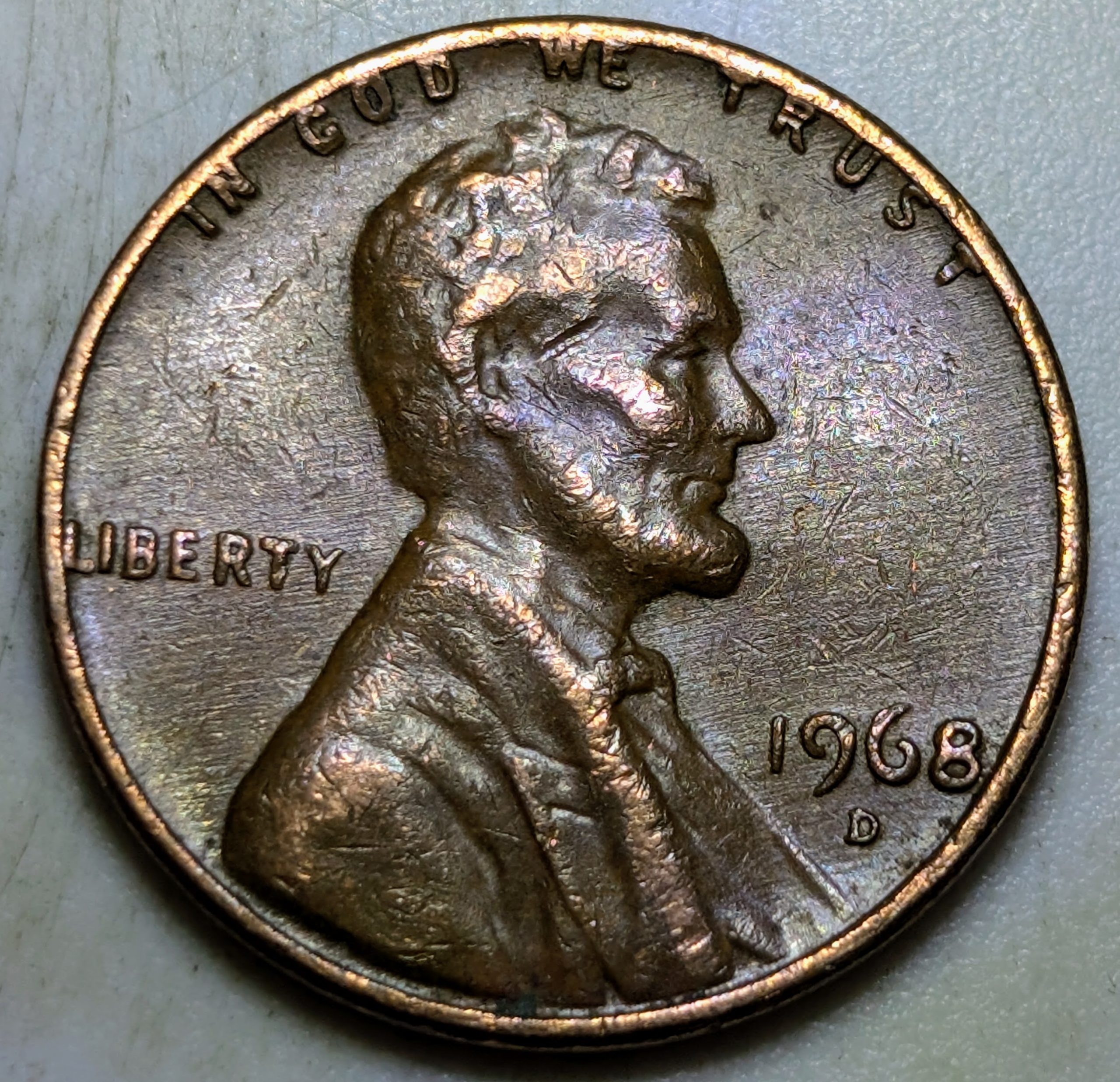
BIE pennies are one of the most common and recognizable die cracks on Lincoln cents. They form when the die fractures between the B and E in LIBERTY, creating a raised line of metal that looks like an extra letter. They are real mint-made varieties, not PMD, and they make great low-stakes finds for collectors who enjoy spotting die breaks in the wild.

Learn what PMD (Post Mint Damage) means in coins, how to spot it, and how to tell it from real mint errors. Clear examples, simple explanations, collector-friendly guide.
| |

Not an Error, Still Worth Keeping: The Cool Side of Post-Mint Damage

PMD stands for Post Mint Damage, the catch-all category for everything that happens to a coin after it leaves the mint. These coins aren’t errors and they aren’t valuable, but they can still be some of the most interesting pieces you’ll find in your change. This guide walks you through the most common forms of PMD, how to tell them from real mint errors, and why they’re still worth a second look.

1887 Indian Head cent with advanced verdigris. A perfect example of how copper reacts to decades of moisture and air exposure.
| |

Zinc Rot vs. Verdigris: How to Tell the Difference on Modern Pennies

Zinc rot and verdigris might look similar, but they tell two very different stories. Verdigris can often be stabilized or left alone. Zinc rot means the coin’s dying from the inside out. Learning the difference keeps you from wasting time trying to save what’s already gone.