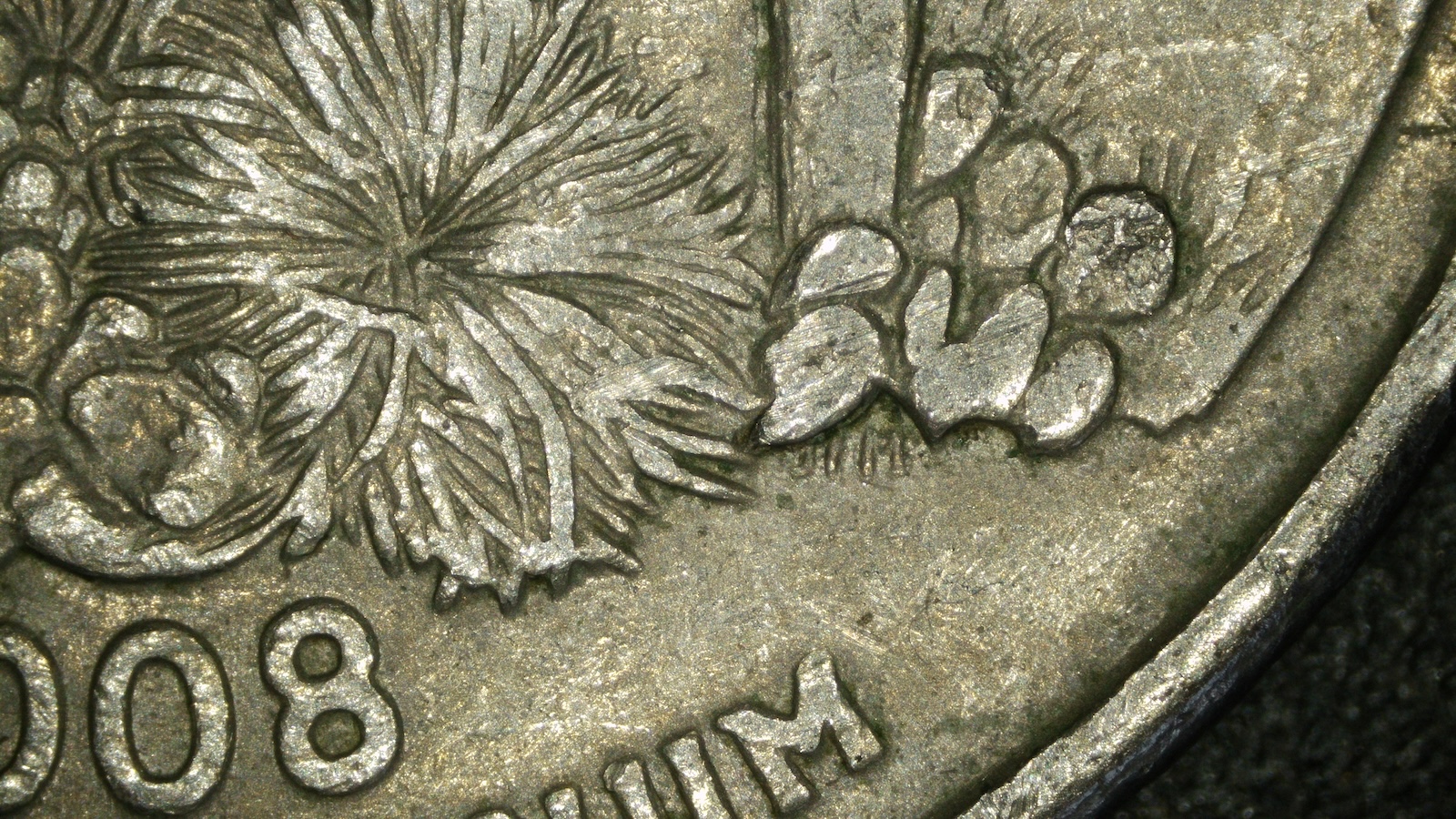
Roll Notes: 2008 P Quarter Arizona Cactus Die Chip
Roll Notes entry documenting a 2008-P Arizona quarter with an interior die chip on the reverse, found in circulation.
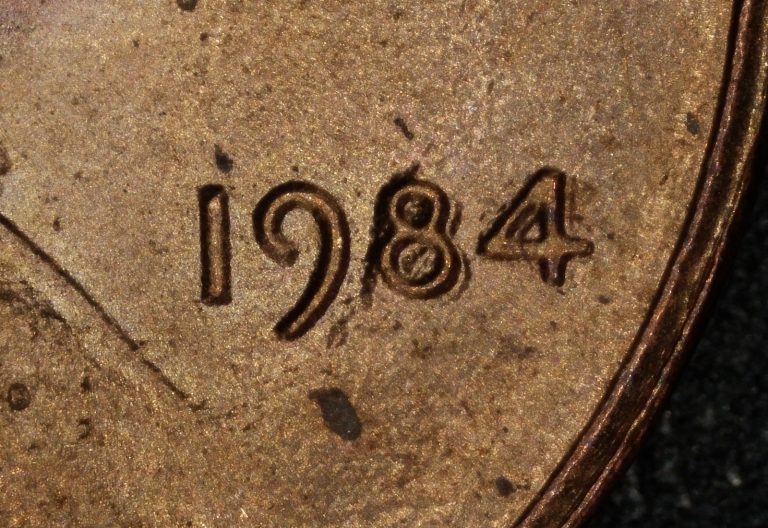
This penny was pulled from a customer-rolled wrap on 12/29/25. At first glance, the chunky date was noticeable. All 2019 shield cents have the fat 9, but the 0 in the date was the tell. The distorted numbers on the date are visible without magnification. The 9s on these are doubled on the master die,…
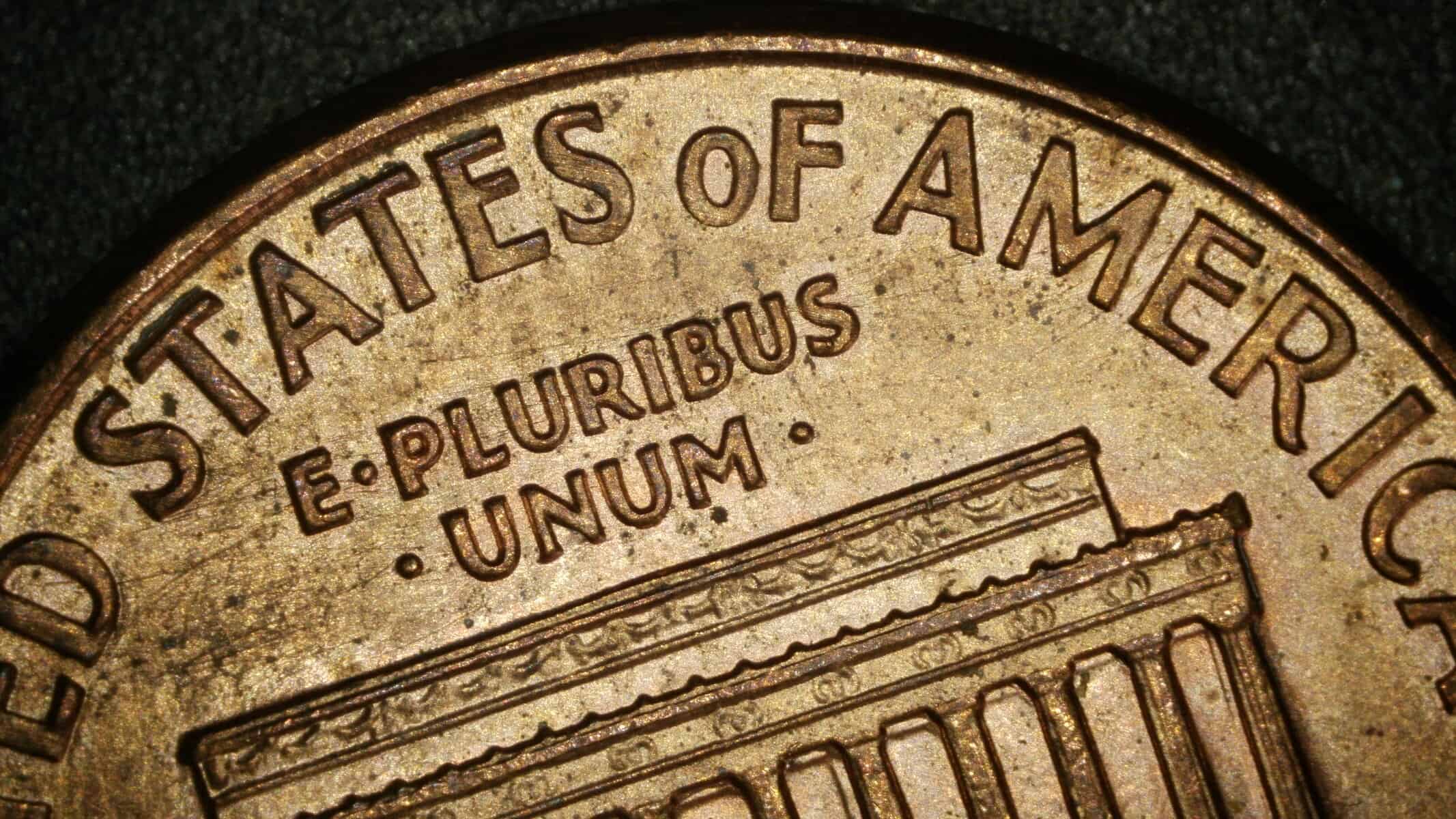
The Wide AM and Close AM reverses on late-1990s Lincoln cents are one of the quickest wins in roll hunting. Most people know the 1999 Wide AM is the valuable one, but the real story is bigger. Two different reverse designs were supposed to stay in their own lanes. They didn’t. Old dies slipped back…
Off center coins are some of the easiest dramatic mint errors to spot, but not all of them are valuable. This guide breaks down how they happen, how to judge the percentage of the strike, and what actually matters when figuring out if one is worth keeping.
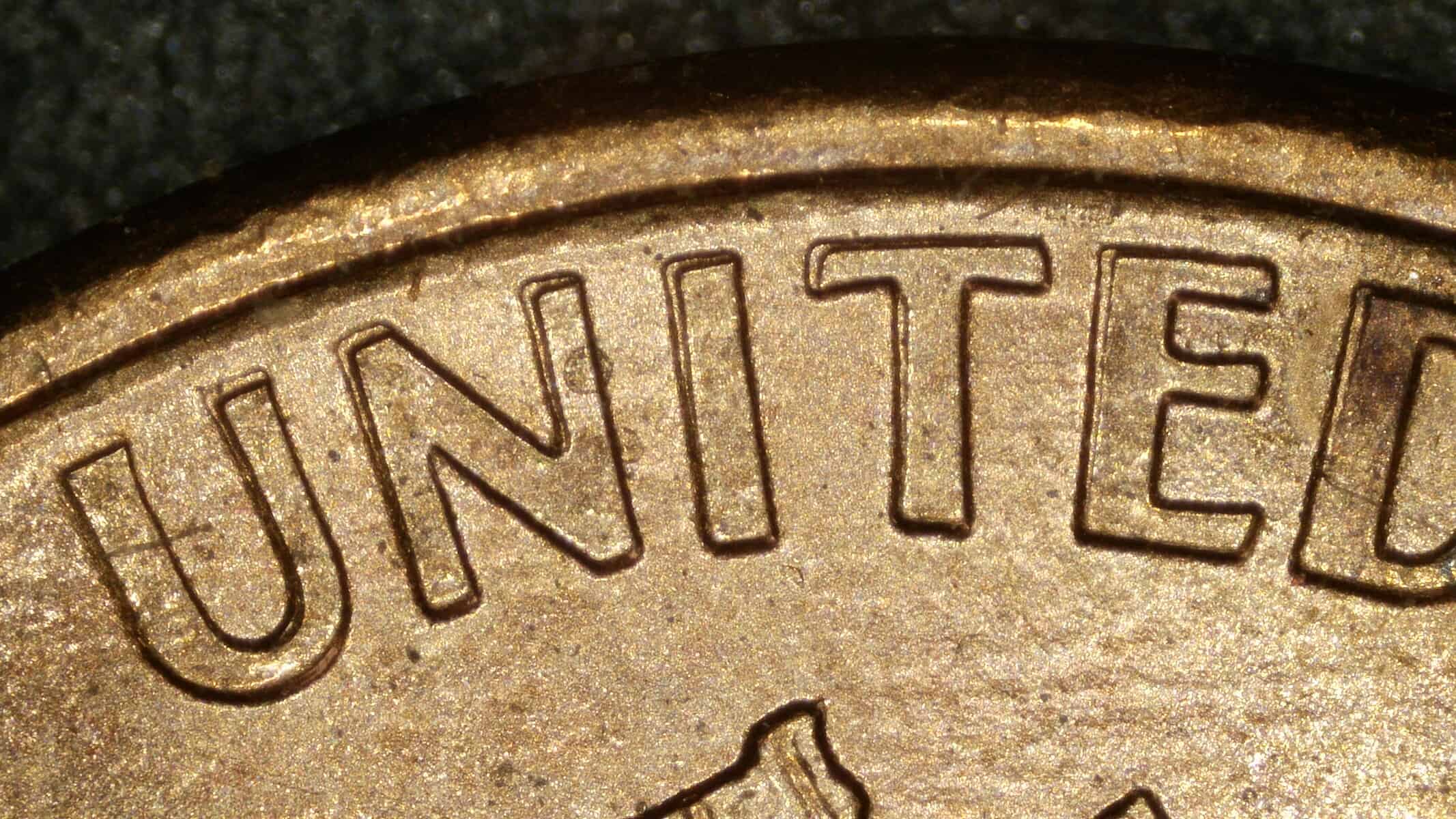
When a coin looks weak or washed out in random places, most people think it’s worn down. Sometimes they’re right. Sometimes they’re not even close. This is a grease filled die. It happens when mint machinery gets clogged with thick gunk made of metal shavings, old oil, and debris. That paste fills the recessed parts…
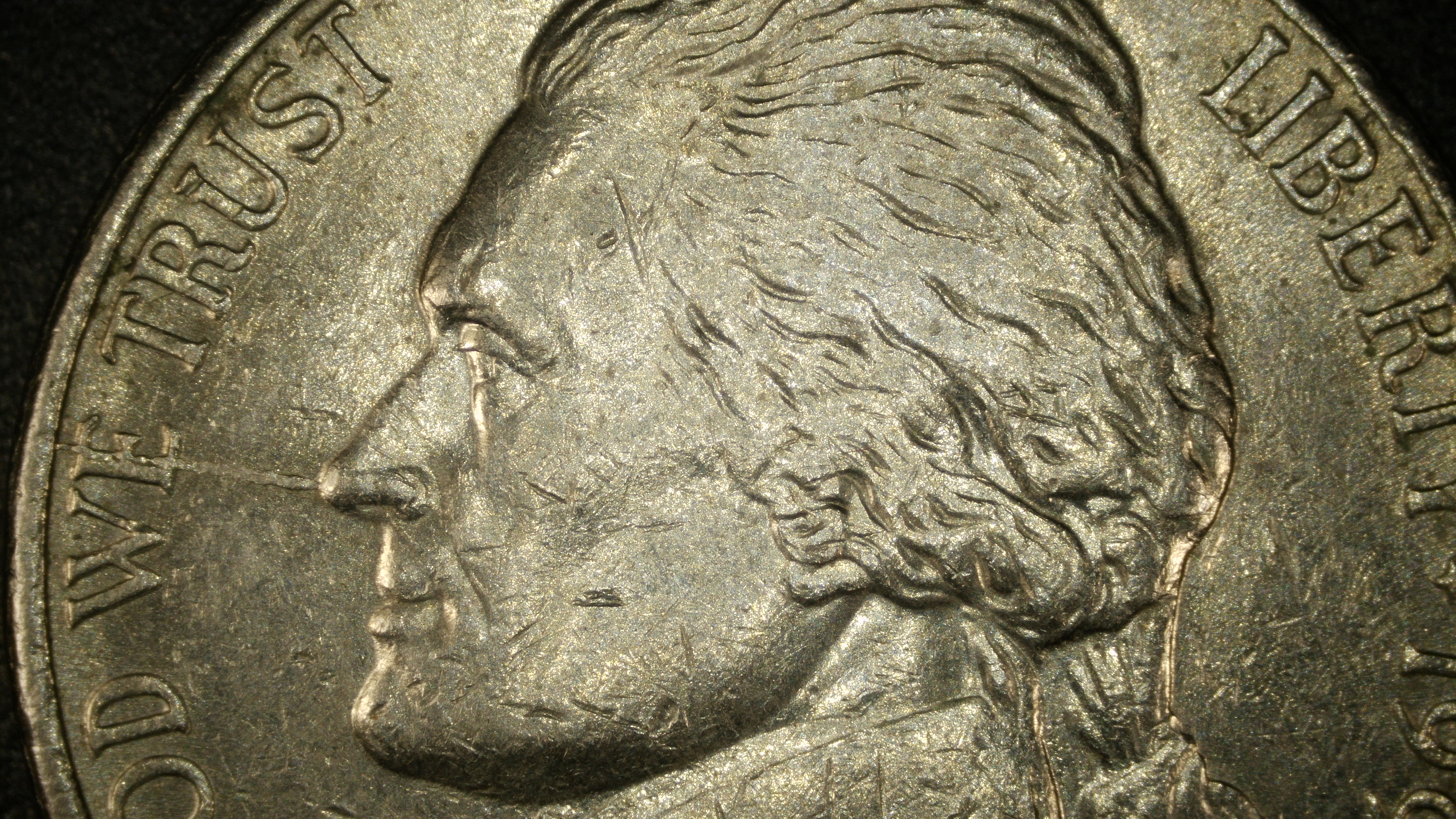
A stretched rim with letters slipping upward always gets attention, but it’s not a mint error. It’s one of the easiest forms of post mint damage to spot once you know what causes it and what it looks like under magnification.
BIE pennies are one of the most common and recognizable die cracks on Lincoln cents. They form when the die fractures between the B and E in LIBERTY, creating a raised line of metal that looks like an extra letter. They are real mint-made varieties, not PMD, and they make great low-stakes finds for collectors who enjoy spotting die breaks in the wild.
After you’ve searched your change, you need a system to move it out without making the hobby feel like work. This post covers how to roll or dump your coins efficiently, why you shouldn’t return them where you buy rolls, and what to do if your bank stops accepting pennies.
Staying organized is what separates casual roll hunters from consistent ones. Label everything, keep notes, and end every session with a clean space so you can pick up tomorrow right where you left off.
Roll hunting isn’t about luck. It’s about rhythm, focus, and knowing what to look for. With the right setup and a clean workflow, you can move through rolls fast, spot real value, and actually enjoy the hunt.