Roll Notes: 1984 Lincoln Cent with Strong Machine Doubling on the Date
Customer-wrapped roll
Found January 2024
This one stopped me in my tracks at first.
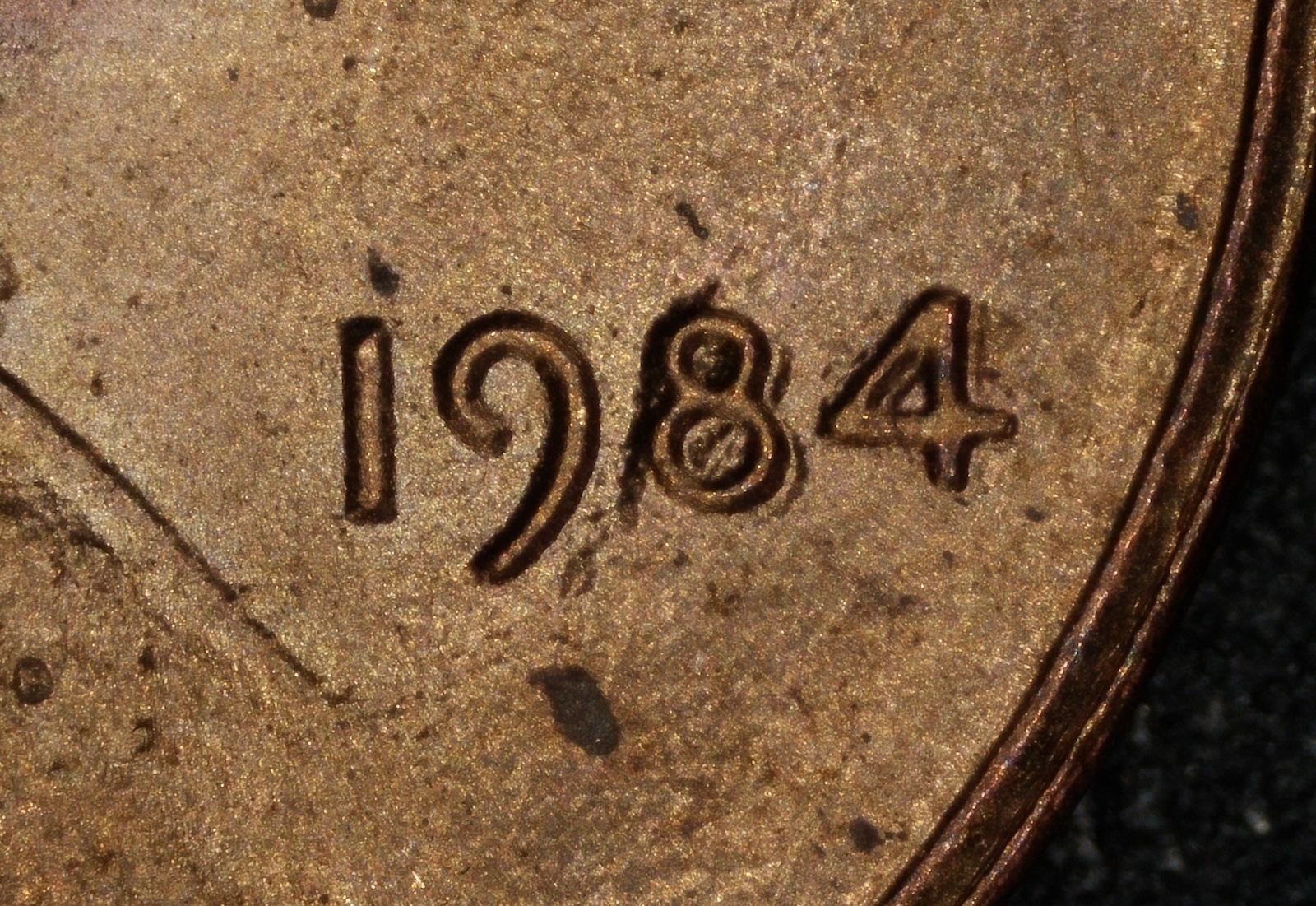
Pulled from a customer-wrapped roll, this 1984 Lincoln cent shows some of the most convincing machine doubling I’ve seen on a modern date. Under straight-on lighting, the date looks bold and dramatic. The “4” appears to have a solid bar inside the triangle, the “8” shows what looks like a full outline, and the entire date gives off a strong doubled impression.
But the giveaway comes with movement.
As soon as the coin is tilted and the light angle changes, all of that “doubling” disappears completely (see video above). The interior bar in the “4” vanishes, the outline on the “8” collapses back into a single strike, and the date resolves into a normal, flat profile. That behavior is classic machine doubling, not hub doubling.
What’s happening here
Machine doubling occurs after the coin is struck, when the die shifts or vibrates slightly during the strike or ejection. Instead of creating true, raised secondary design elements, it produces flat, shelf-like doubling that only appears from certain angles and disappears when the coin is rotated.
That’s exactly what’s happening on this piece.
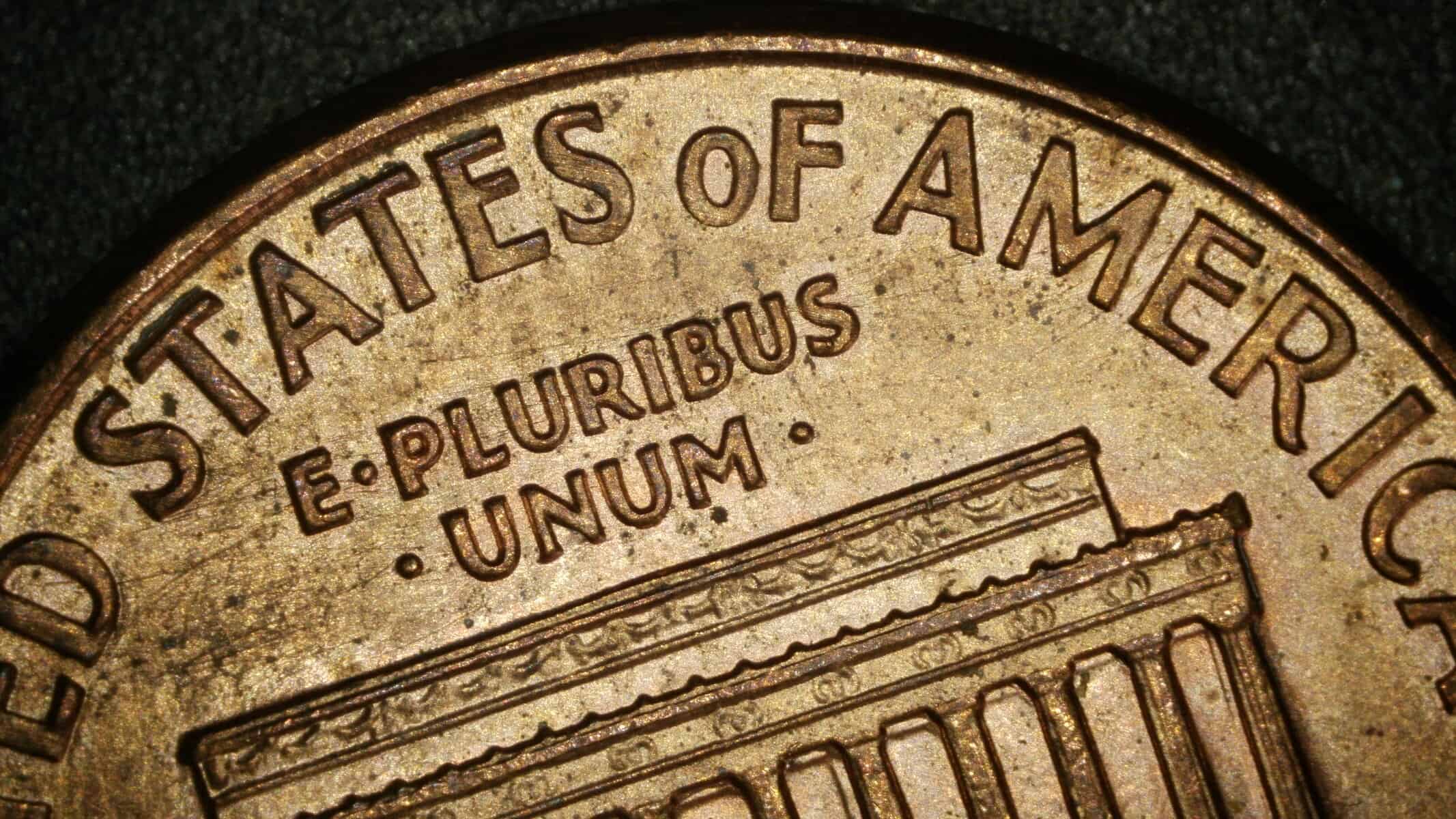
There’s no split serifs, no rounded secondary devices, and no consistent doubling across the design. The reverse is completely normal, and the obverse doubling is confined to the date.

Why it’s still worth noting
Even though coins like this aren’t valuable, they’re always worth stopping for. They sharpen your instincts, reinforce good diagnostics, and make the next real doubled die that much easier to spot.
This one’s going into the reference pile.


Geoff runs Genuine Cents, a straight talking coin education project built from hands-on experience and hundreds of hours examining coins. He is an ANA member and writes practical guides for new and returning collectors who want clarity instead of hype. If you want to reach him, message him on Instagram at @GenuineCents.