errors

Close-up of the date and Denver mintmark on a 1961-D Lincoln cent showing a repunched mintmark consistent with RPM-038.
| | |

Roll Notes: 1961-D Lincoln Cent – RPM-038

A well-circulated 1961-D Lincoln cent pulled from a customer-wrapped roll turned out to be a true repunched mintmark. The key diagnostic is a letter fragment visible beneath the D, confirming RPM-038. Not valuable in this condition, but a rare look at a genuine mint error that’s still hiding in circulation more than 60 years later.

Close-up of the Medal of Honor on a 2024-P Walker quarter showing rotational doubling used to confirm WDDR-001.
| |

Roll Notes: 2024-P Quarter Dr. Mary Edwards Walker WDDO-001

This 2024-P Dr. Mary Edwards Walker quarter turned out to be a confirmed WDDR-001 doubled die reverse, complete with all published die markers. The most obvious feature is the extra raised hair detail behind Walker’s right shoulder, which does not appear on normal strikes and is easy to verify against official Mint images.

In this Roll Notes entry, I document the doubling, walk through the diagnostic markers, and show how this variety can be confidently attributed using both photographs and in-hand inspection.

1975 Lincoln cent with a noticeable off center strike, leaving part of the design shifted toward the rim.
| | | |

How Off Center Does a Coin Need to Be to Have Value?

Off center coins are some of the easiest dramatic mint errors to spot, but not all of them are valuable. This guide breaks down how they happen, how to judge the percentage of the strike, and what actually matters when figuring out if one is worth keeping.

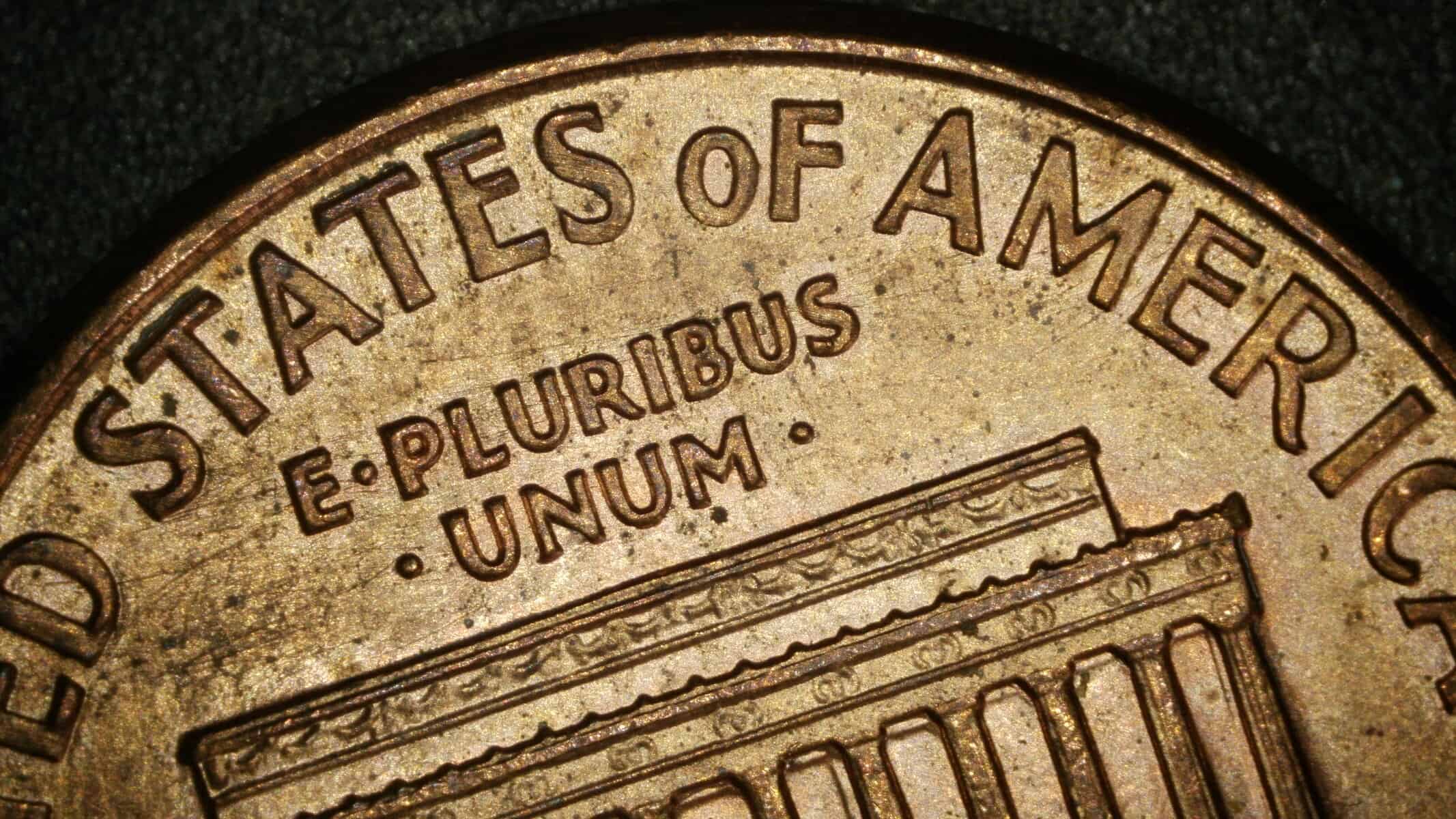
Close-up photo of a 1972 S Lincoln Memorial cent reverse showing a grease filled die. The words E PLURIBUS UNUM and parts of the upper Memorial detail appear faint and incomplete, with a soft, washed-out look due to debris blocking the strike.
| |

Grease Filled Dies: Why Your Coin Looks Half-Faded

When a coin looks weak or washed out in random places, most people think it’s worn down. Sometimes they’re right. Sometimes they’re not even close. This is a grease filled die. It happens when mint machinery gets clogged with thick gunk made of metal shavings, old oil, and debris. That paste fills the recessed parts…

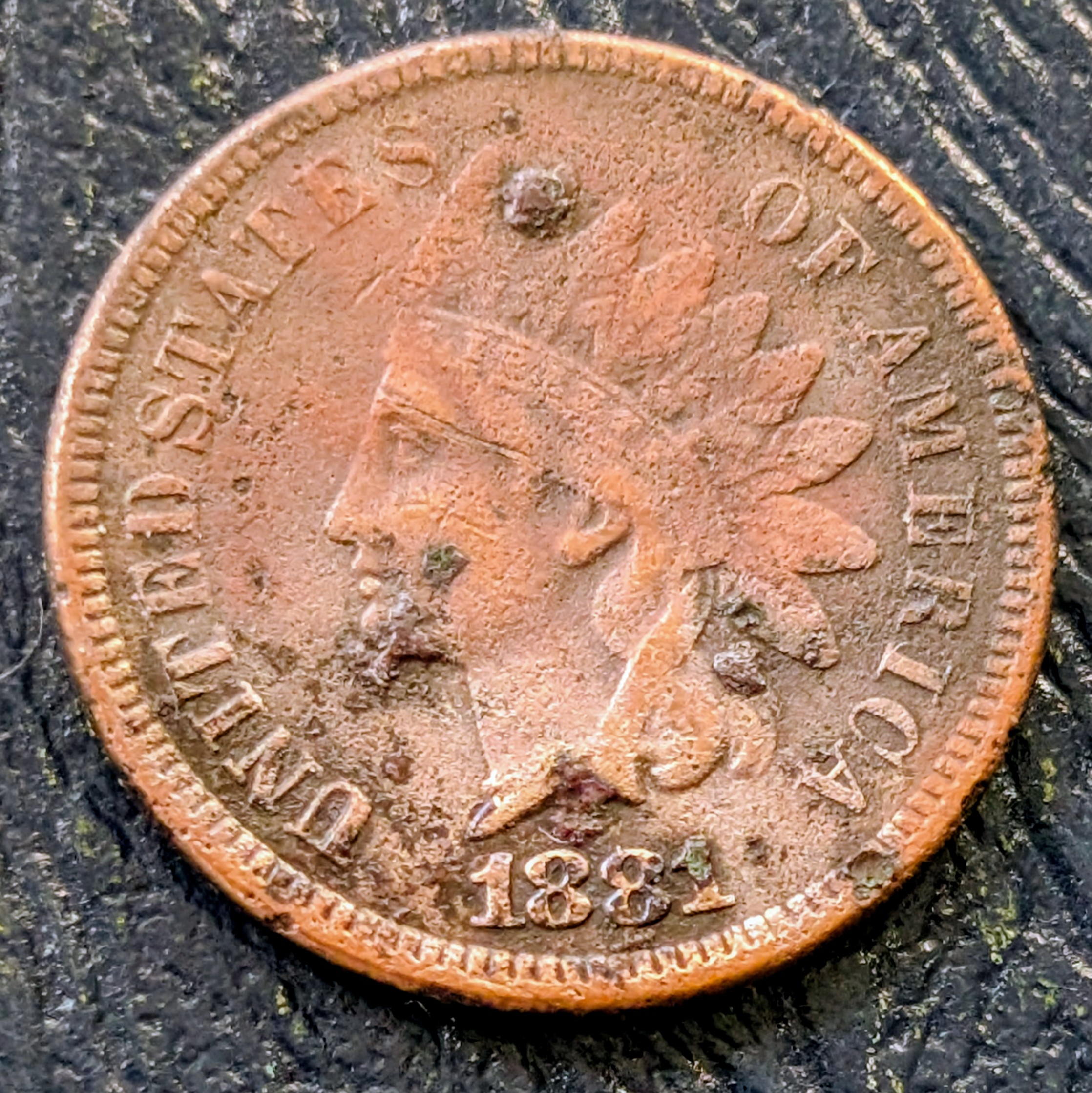
1881 Indian Head Cent with heavy environmental damage showing green and brown corrosion, missing surface metal, rough texture, and uneven crust across the portrait and fields.
| |

A Close Look at Environmental Damage and Copper Breakdown

Environmental damage happens when copper reacts with oxygen, moisture, and soil chemicals. This 1881 Indian Head Cent shows every stage of that breakdown, from green corrosion to missing metal. It is not a mint error, but it is a perfect example of how copper changes over time.

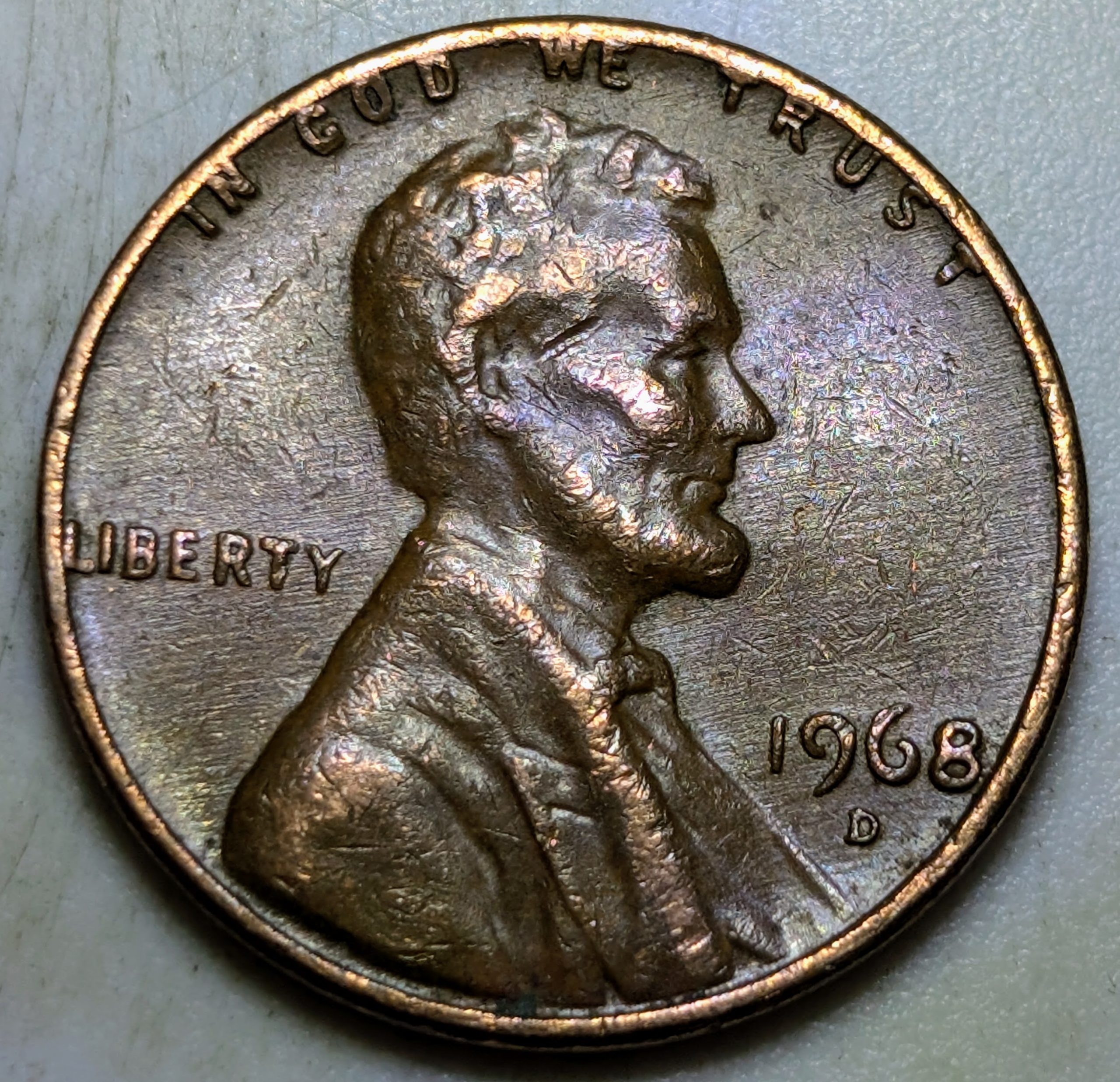
What Is a BIE Penny? The Classic Die Crack That Isn’t PMD
| |

What Is a BIE Penny? The Classic Die Crack That Isn’t PMD

BIE pennies are one of the most common and recognizable die cracks on Lincoln cents. They form when the die fractures between the B and E in LIBERTY, creating a raised line of metal that looks like an extra letter. They are real mint-made varieties, not PMD, and they make great low-stakes finds for collectors who enjoy spotting die breaks in the wild.