pmd

Close-up photo of a 1972 S Lincoln Memorial cent reverse showing a grease filled die. The words E PLURIBUS UNUM and parts of the upper Memorial detail appear faint and incomplete, with a soft, washed-out look due to debris blocking the strike.
| |

Grease Filled Dies: Why Your Coin Looks Half-Faded

When a coin looks weak or washed out in random places, most people think it’s worn down. Sometimes they’re right. Sometimes they’re not even close. This is a grease filled die. It happens when mint machinery gets clogged with thick gunk made of metal shavings, old oil, and debris. That paste fills the recessed parts…
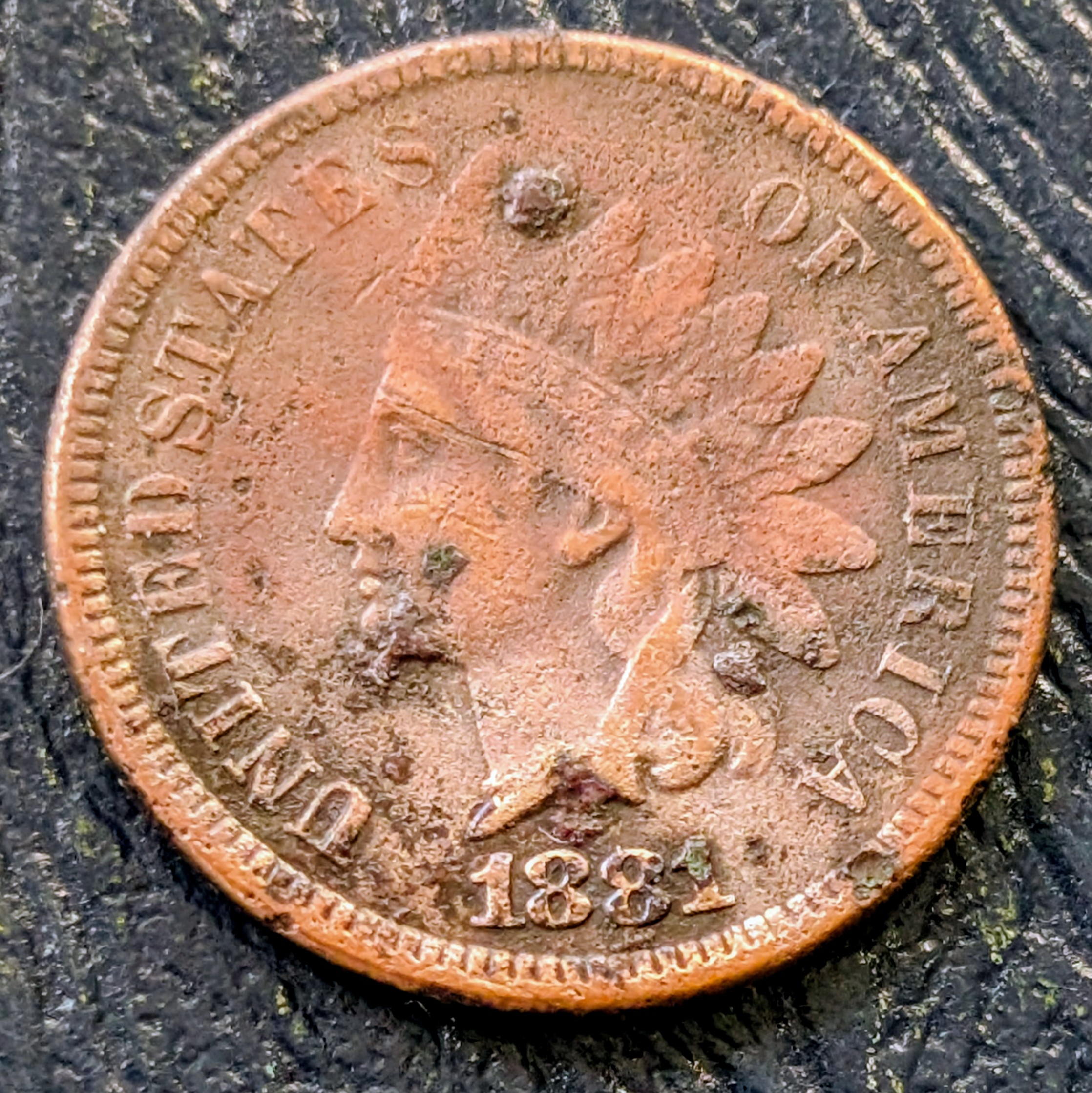
1881 Indian Head Cent with heavy environmental damage showing green and brown corrosion, missing surface metal, rough texture, and uneven crust across the portrait and fields.
| |

A Close Look at Environmental Damage and Copper Breakdown

Environmental damage happens when copper reacts with oxygen, moisture, and soil chemicals. This 1881 Indian Head Cent shows every stage of that breakdown, from green corrosion to missing metal. It is not a mint error, but it is a perfect example of how copper changes over time.

What Is a BIE Penny? The Classic Die Crack That Isn’t PMD
| |

What Is a BIE Penny? The Classic Die Crack That Isn’t PMD

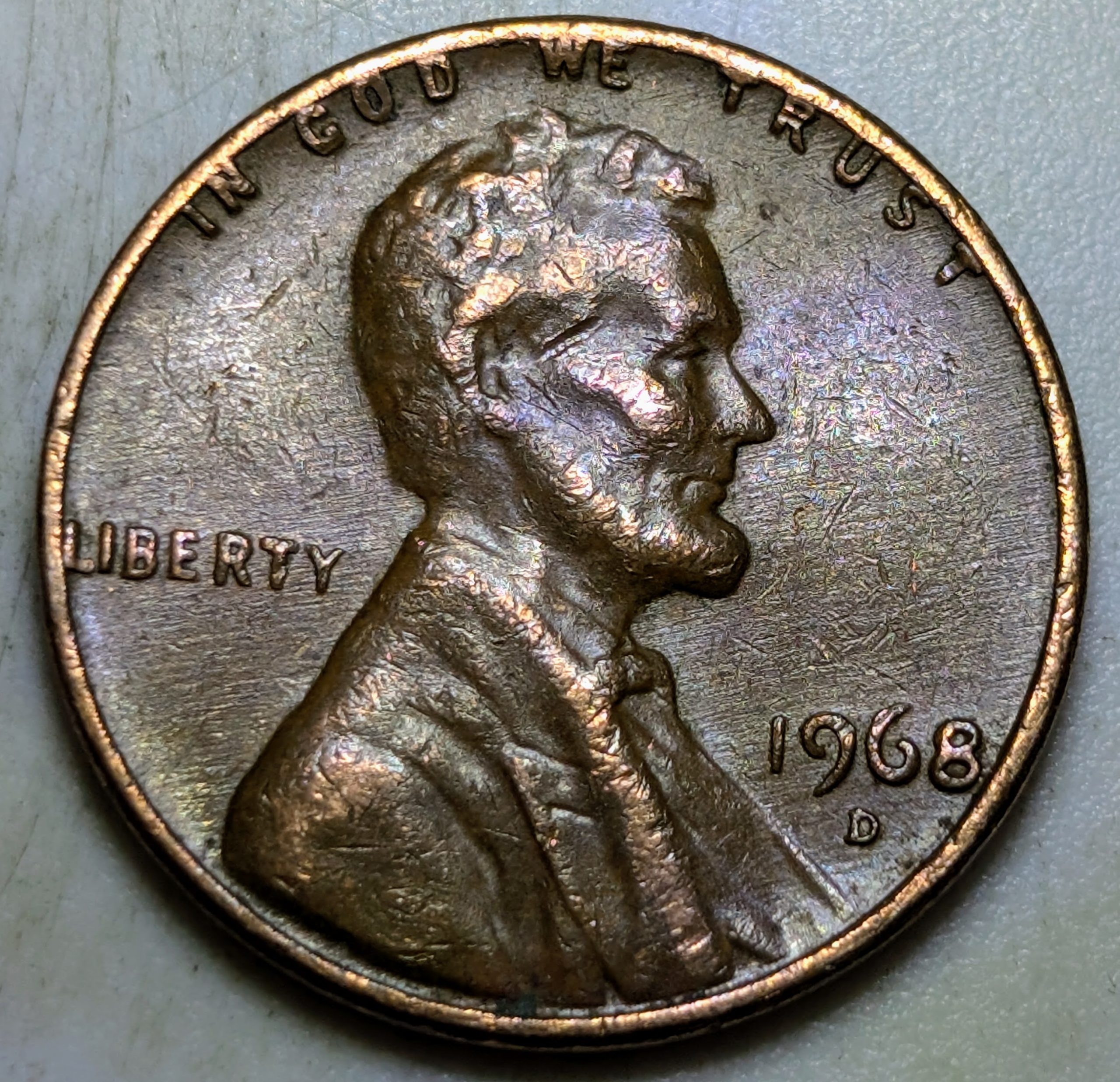
BIE pennies are one of the most common and recognizable die cracks on Lincoln cents. They form when the die fractures between the B and E in LIBERTY, creating a raised line of metal that looks like an extra letter. They are real mint-made varieties, not PMD, and they make great low-stakes finds for collectors who enjoy spotting die breaks in the wild.